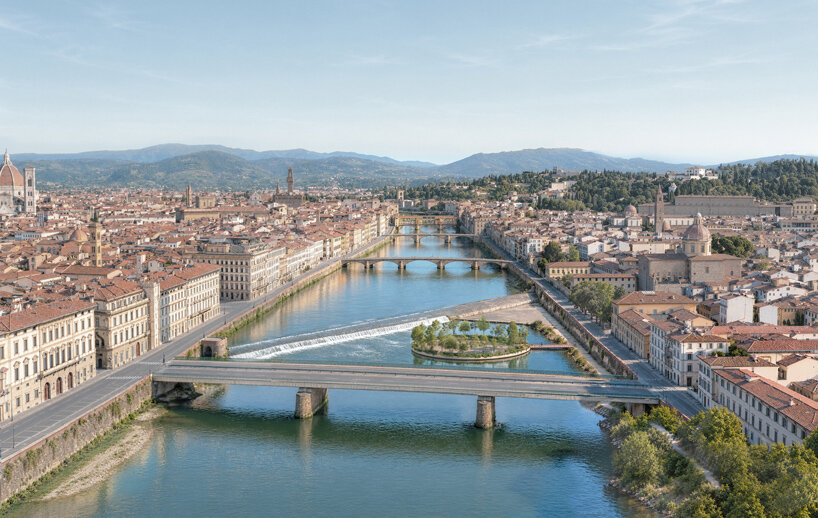
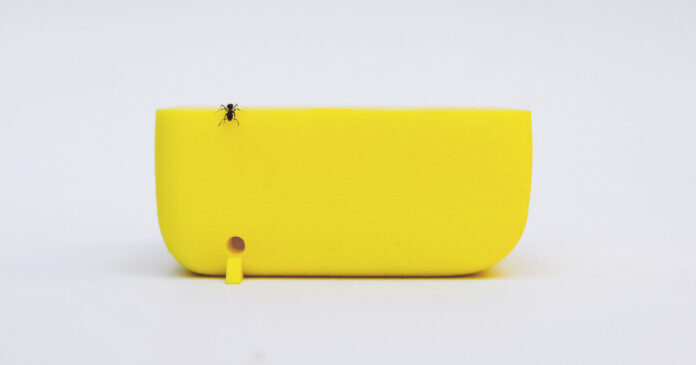
Practising Multispecies
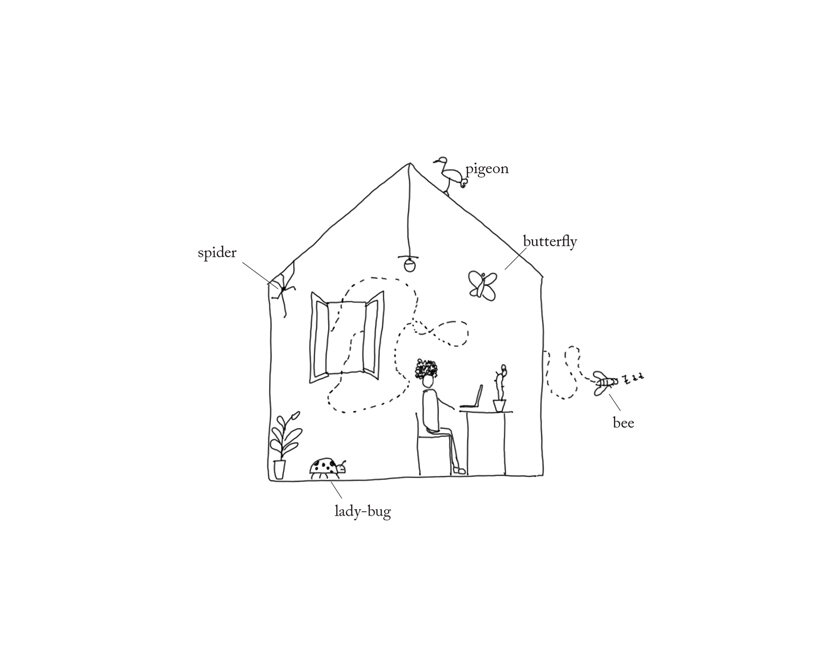
Normally, animals live in parts of our cities that are underused or ignored. They are often an unseen presence, almost like ghosts, as we tend to avoid one another in everyday life. Over the last fifty years, human activities have caused the loss of more than two-thirds of the world’s wildlife population, according to a new report from the World Wildlife Fund, stating that their “findings are clear” and “our relationship with nature is broken”. More and more non-human species are forced to adapt to live in urban environments in order to survive. Cities have become extreme habitats: polluted and noisy, dominated by artificial light and concrete. In these unfamiliar conditions, some species disappear, while others adapt to their new surroundings.
Can we preserve nature by looking forward? What kind of world do we need to build for another kind of world to emerge? How should we balance different, potentially conflicting values, such as nature protection, individual animal welfare and human safety? Here is a set of guidelines on how urban design may harness the power to create an environment for other species to thrive.
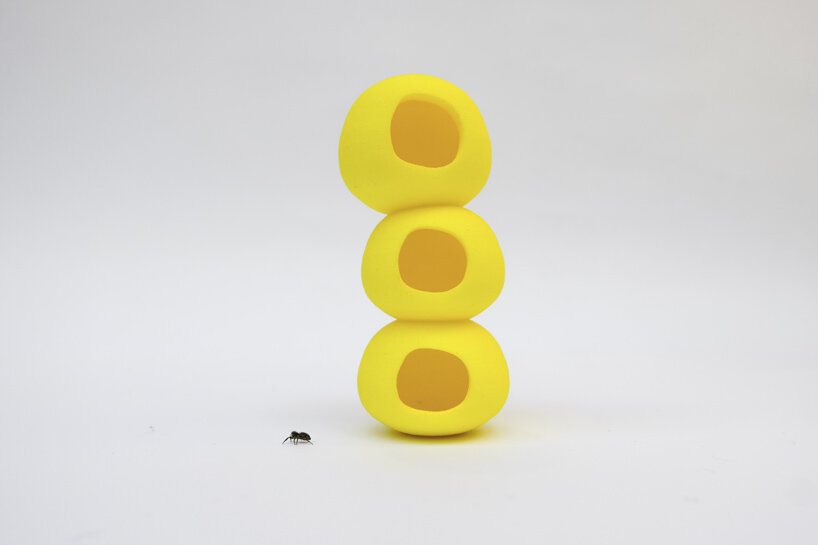
Welcome the non-human
Creatures inhabited the land long before we built cities on it. Today, some have adapted to live alongside humans in urban environments. Being more generous with them is the first step towards encouraging more non-human urban life. Wildlife-vehicle collisions, property damage, zoonotic disease transmission and physical attacks to people or their pets have negative consequences for both people and wildlife. To help people recognize the value and benefits of wildlife and better understand animal behavior, it is important to promote specific community management programmes that encourage shared responsibilities amongst citizens.
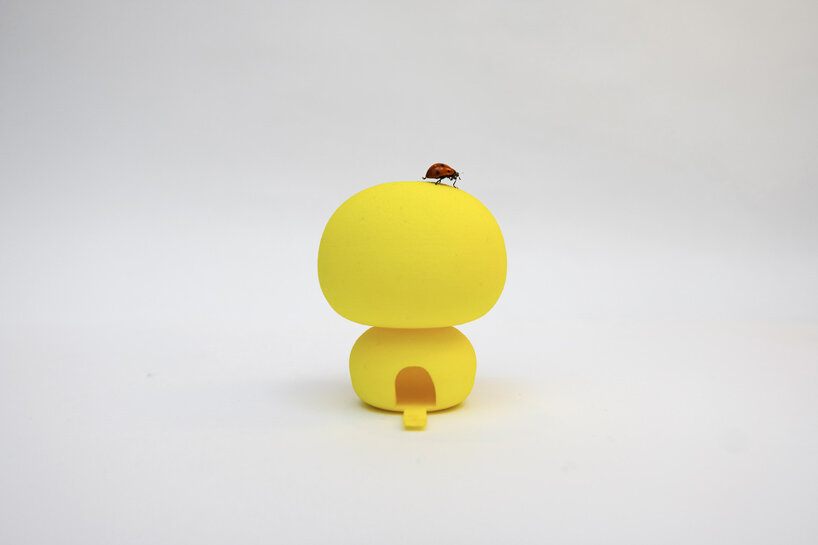
It’s coexistence or no existence’ – Bertrand Russell
Let it grow
Green infrastructure in cities, including green roofs, wetlands, and tree-lined streets, provides valuable passages, stepping-stones, low-speed areas, and refuges where wildlife can find shelter. Rather than always introducing and controlling vegetation, we should allow these green spaces to emerge naturally from species already growing elsewhere in the city. This would entail not planting anything, perhaps not even adding soil, rather leaving any available spot empty and letting the urban ecosystem colonize it.
Design for ecological niches
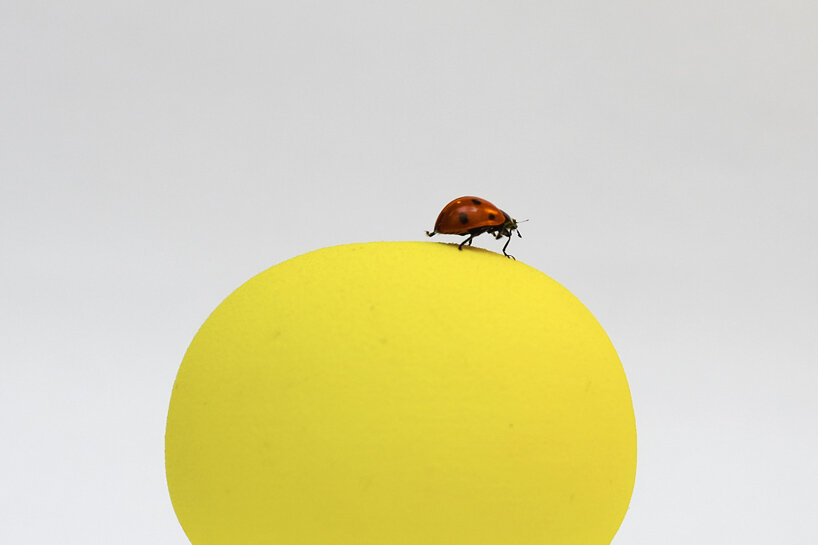
Located everywhere in the city, in gutters, roadside and in abandoned areas, plants communities coexist and evolve alongside microorganisms in the soil and air. These communities interact with specific urban conditions, including the heat island effect, fragmented soils and heavy metal pollution. Even the smallest plant can attract other organisms and create a unique ecosystem if left undisturbed during the early stages of the design process.
Minimize over-maintained areas
Research based on fifteen years of data collected in North America and Europe has found strong evidence linking intensive mowing of urban lawns, including parks, roundabouts and roadsides, with reduced plant and invertebrate diversity. Reducing lawn mowing frequency can boost wildlife, increase pollinator populations and encourage more diverse plant communities.